
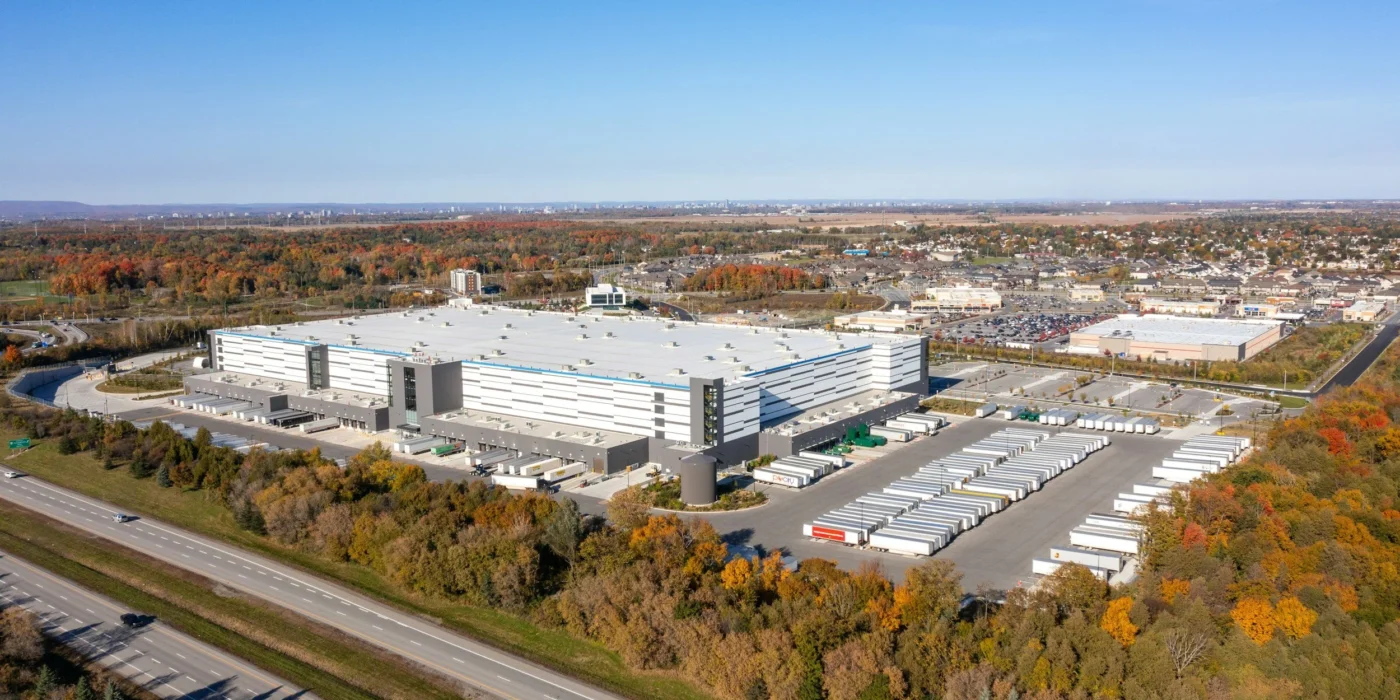
The Rise of Flex Space: Why Multi-Tenant Industrial is Winning

Why Flex Space is the Secret Weapon for Industrial Real Estate Investors in 2026

Industrial real estate is expected to see strong demand in 2026, with investors heavily favoring Class A properties and value-add opportunities with shorter lease terms1. Within this sector, “Flex Space”—or multi-tenant industrial real estate—is climbing in value rapidly.

Flex spaces are industrial buildings designed to be subdivided into smaller units, typically ranging from 1,500 to 4,000 square feet. This structure offers three massive advantages for investors:

  1. A Diverse Tenant Pool: Small spaces attract a wide variety of unique businesses. You can lease to plumbers, painters, architects, or even recreational businesses like pickleball facilities.
  2. Lower Vacancy Risk: Owning a multi-tenant building is like owning an apartment complex. If a single-tenant building loses its occupant, you might carry a vacant building with no income for up to 12 months. In a flex space with six tenants, if one leaves, you still have five paying rent while you fill the vacancy (which usually only takes 3 to 6 months).
  3. Higher Rent Per Square Foot: Single-tenant buildings usually command a “bulk discount” rate. By subdividing the space, landlords can charge a significantly higher net rent per square foot.

While flex spaces require more management due to the higher number of leases and tenants, the increased income and reduced risk make it a highly attractive asset class.


2026 Global Occupier Outlook

2026 Real Estate Outlook: Expect Rising Rents and a Flight to Quality Optimism is returning to global real estate markets.

*Heading into 2026, 69% of global experts expect rents to rise due to increased demand across all major property sectors, with the notable exception of Grade B offices.

  • Prime Offices: Positive momentum is set to continue, with 89% of survey respondents forecasting rising prime rents. Demand is heavily driven by the rapidly expanding AI sector in major tech hubs (like San Francisco, New York, and Seattle), as well as stable leasing activity from the legal, financial, and life sciences sectors. Companies are maintaining their strategy of consolidating into fewer, but higher-quality, spaces.
  • Retail Resilience: Physical retail is proving surprisingly resilient. Two-thirds of respondents anticipate rental growth, driven by prestigious brands flocking to prime high streets and exploring new formats that blend retail, leisure, and food to create “experiential” retail.
  • Industrial & Logistics: Occupier strategies continue to be shaped by e-commerce expansion and the need to build resilience and flexibility into supply chains12. Letting activity is expected to outperform rental growth, with 79% of experts predicting increased take-up in their respective markets.

*Source: 2026 global occupier outlook: increased demand to drive higher rents | Savills Impacts”, published by World Research – Savills December 2025

Doing Business in Brazil (Real Estate Focus)

Navigating the Brazilian Real Estate Market: A Quick Guide for Foreign Investors

Brazil is the largest recipient of foreign direct investment in Latin America, offering a massive consumer market and diverse opportunities. For investors looking to enter the Brazilian real estate sector, understanding the legal and financial landscape is essential.

Investors can tap into the market through specialized financial instruments.

Real Estate Investment Funds (FIIs) are traded on the Brazilian Stock Exchange (B3) and must distribute a minimum of 95% of their profits as dividends.

Another popular option is Certificates of Real Estate Receivables (CRIs), which are securitized debt instruments backed by real estate receivables and offer income tax exemptions.

When dealing with physical properties, the rules depend heavily on the location:

  • Urban Commercial Leases: The Brazilian Lease Law is highly protective of businesses. Lessees have the right of first refusal to purchase the property if it is sold, and leases of at least five years can grant the tenant the right to a mandatory contract renewal.
  • Rural Properties: Foreign investors face strict limitations here. The direct or indirect purchase or lease of rural properties by foreign entities (or Brazilian entities controlled by foreign capital) requires prior governmental approval. Failing to secure this approval can render the transaction legally null and void.

Finally, as global pressure mounts, Brazilian companies and investors are increasingly adopting ESG (Environmental, Social, and Governance) practices, making environmental compliance and sustainability key elements for long-term success in the country.

Source: Guide “Doing Business in Brazil (2025) – Quick guide for foreign investment”, by the law firm Tozzini Freire Advogados.